Best Shirt Fabrics for Office: Linen vs Satin vs Dobby Under ₹2,500
Best Shirt Fabrics for Tucked-In Office Look in Chennai and Bangalore: Linen vs Cotton Satin vs Dobby for Men Under ₹2,500
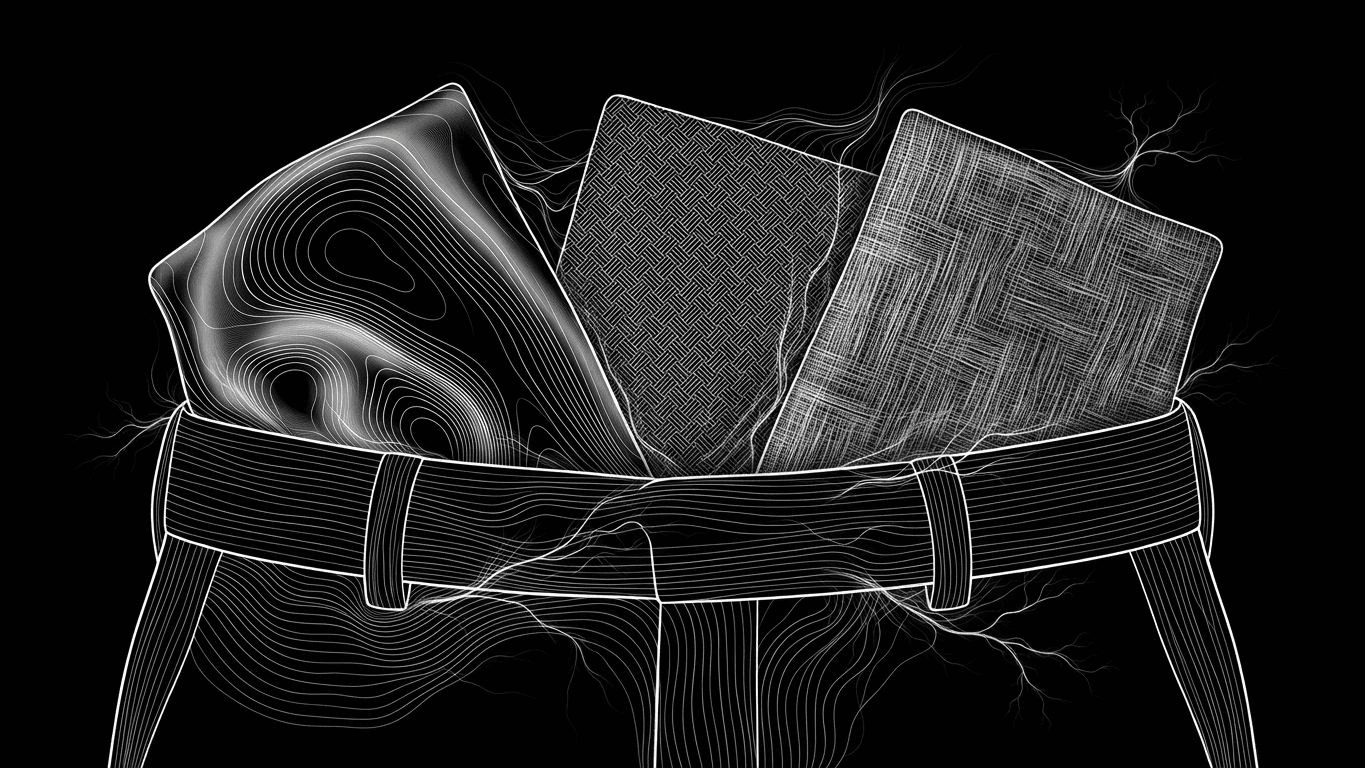
If you're dressing for a full day in a Chennai or Bangalore office, the fabric choice isn't aesthetic preference. It's survival strategy. The wrong fabric untucks visibly by 11 AM, shows sweat patches through your blazer by lunch, and loses its collar structure before your afternoon meeting starts. The best shirt fabrics for a tucked-in office look in Chennai and Bangalore across linen vs cotton satin vs dobby for men under ₹2,500 come down to three variables: how the weave holds against a waistband, how the fabric manages humidity, and whether the texture reads as intentional or sloppy under fluorescent lighting.
Here's the direct answer: cotton satin wins for structure and polish in air-conditioned offices. Linen wins for outdoor commutes and open-plan spaces without strong AC. Dobby wins when you need visual texture that photographs well and doesn't require ironing every morning.
Key Takeaways
- Cotton satin holds a tucked-in line the longest because the tight weave resists bunching at the waistband
- Linen breathes better than cotton in humid conditions but wrinkles visibly when tucked tight
- Dobby weaves add texture that hides minor creases, making them forgiving for long workdays
- All three fabrics are available under ₹2,500 in Chennai and Bangalore retail and online markets
- The city you're in matters: Chennai's coastal humidity favors linen; Bangalore's drier heat gives cotton satin more range
Which Fabric Actually Holds a Tucked-In Look Through an 8-Hour Workday?
The tucked-in look fails for one mechanical reason: fabric that stretches or bunches at the hip creates a ridge above the waistband that pulls the shirt out of position. Cotton satin's tight weave resists this. The fabric sits flat against the torso, slides cleanly inside trousers, and doesn't catch on the waistband lining the way looser weaves do.
According to Apposta's shirt fabric glossary, cotton is a classic choice for office shirts because it's breathable, durable, and versatile. Depending on the weave, cotton can be lightweight like poplin or heavier like twill. Cotton satin sits between those two: denser than poplin, smoother than twill, with a slight sheen that reads as intentional formality rather than casual wear.
Dobby comes second. The woven geometric pattern in dobby fabric creates a slightly raised texture that hides waistband compression marks. When a dobby shirt gets pushed around by movement, the texture camouflages the distortion. For men who move between meetings, walk between buildings, or sit for long stretches, dobby forgives more than it shows.
Linen, despite its reputation for breathability, is the weakest performer for a tucked-in look. The weave is too open. It gathers at the hip, creates visible bunching above the trouser line, and the natural crinkle that makes linen look good untucked works against you when tucked in tight.
How Does Chennai's Humidity Change the Fabric Equation?
Chennai's coastal humidity sits between 70-80% for most of the year. In that environment, how a fabric handles moisture absorption directly affects how long it looks pressed and intentional.
According to Linen Club, linen is especially popular in hot and humid conditions because it allows air to circulate freely, helping you stay cool. Cotton also breathes but tends to absorb more moisture, making it feel heavier during hot, sweaty conditions.
That distinction matters for Chennai office wear specifically. If your commute involves any outdoor time, linen keeps you cooler. But once you're inside an air-conditioned office and you've sweated during the commute, linen's moisture-wicking advantage reverses. The fabric dries unevenly, creating visible damp patches that stay visible longer than cotton satin would show.
The practical solution for Chennai: linen for offices with minimal AC or open-plan spaces where airflow matters. Cotton satin for formal client-facing environments where appearance consistency across the full day is non-negotiable. Dobby works in both contexts because its texture masks sweat marks better than either plain weave alternative.
Does Bangalore's Climate Favour a Different Fabric Choice?
Bangalore sits at 900 metres elevation with lower average humidity than Chennai, typically 40-60% through most months outside the monsoon. That drier baseline changes the calculation significantly.
In lower humidity, cotton satin's main disadvantage in Chennai (heavier feel when damp) largely disappears. Cotton satin in Bangalore stays crisp from morning through evening without the moisture management issues that undercut it in coastal heat. The fabric's smooth surface also photographs well under the warm lighting common in Bangalore's tech campus office environments, where video calls and presentations are part of daily work.
Dobby performs consistently across both cities because the textured weave is inherently more forgiving of temperature variation. A dobby shirt bought in Bangalore works in Chennai too, which matters if you travel between cities for work.
According to Regal Fabric Gallery, cotton is known for its softness and breathability and is a classic choice for office shirts, especially in warmer climates. For Bangalore's moderate climate, this makes cotton satin the most versatile single investment under ₹2,500.
Linen vs Cotton Satin vs Dobby: A Direct Comparison for Office Use
Linen under ₹2,500: Available widely in both cities. Works best in 100% linen at thread counts above 60s. The trade-off is clear: superior breathability, poor tuck retention, requires pressing every morning. Best for offices with relaxed dress codes or outdoor-facing roles.
Cotton satin under ₹2,500: The sheen can read as too formal in casual tech environments. Stick to matte-finish cotton satin (sometimes labelled "Egyptian cotton" or "Giza cotton" by Indian fabric brands) for a more versatile result. Holds a tuck better than any alternative at this price point. Requires ironing but holds the press longer than linen.
Dobby under ₹2,500: The most forgiving daily driver. Self-patterned texture means minor wrinkles disappear visually. Dobby shirts typically use a cotton base, so breathability is reasonable. The structured appearance works across formal and semi-formal office environments without looking overdressed.
According to Pehanoge's guide to formal shirt fabrics in India, pure cotton shirts are favored in India for their comfort, and cotton blends and linen are the most popular choices for formal shirts across the country. Dobby falls within the cotton family, which explains why it performs reliably in Indian office conditions.
What Should Budget-Conscious Buyers Prioritise Under ₹2,500?
At ₹2,500, you're not buying premium handloom or custom-woven fabric. You're buying production-line shirting that varies significantly in quality based on thread count and weave density, not brand name.
Three things to check before buying:
- Thread count: For cotton satin, look for 100s or higher. Below that, the "satin" label is marketing. The fabric won't have the smooth hand feel or the tuck-holding properties that justify choosing it over poplin.
- Weight: Hold the fabric up to light. If you can see your hand clearly through it, the fabric is too lightweight for a full-day tuck. You want some opacity.
- Weave tightness: Run your thumbnail across the fabric. A tight weave resists the nail. A loose weave shows the impression. Tight weave = better tuck retention.
Derby Jeans Community's shirt range approaches this same principle: fabric that earns its place in a working wardrobe through construction quality, not just visual appeal. The brand's emphasis on clothes made for quality and purpose translates directly to the kind of shirt that holds its shape through a full day rather than looking polished only at 9 AM.
Frequently Asked Questions
Which shirt fabric is best for a tucked-in office look in Chennai?
For Chennai's humidity, cotton satin is the best choice for air-conditioned formal offices because it holds a tuck without bunching and manages moisture better than linen once you're inside. Linen works better for less climate-controlled environments. Both are available under ₹2,500 from most Indian shirting brands.
Does linen work for a tucked-in look in Bangalore offices?
Linen can work in Bangalore's drier climate but still wrinkles faster than cotton satin or dobby when tucked in. If your office is formal or client-facing, linen's crinkle at the waistband will show by midday. For casual or semi-formal Bangalore offices, linen is acceptable. For structured formal environments, cotton satin holds better.
What is dobby fabric and why does it suit office wear?
Dobby is a woven fabric with a small, geometric self-pattern created on a dobby loom. The raised texture hides minor creases and sweat marks better than plain weaves. For men who need a shirt that looks intentional across a full workday without pressing it twice, dobby is the most forgiving option under ₹2,500.
Can I find good office shirt fabrics under ₹2,500 in Bangalore and Chennai?
Yes. Both cities have strong retail options for cotton satin, linen, and dobby shirting under ₹2,500. Online platforms also carry a wide range of these fabrics from Indian manufacturers. Focus on thread count and weave density rather than brand name at this price point.
Does Derby Jeans Community sell shirts suitable for office wear?
Derby Jeans Community's range includes shirts built for quality and purpose, consistent with the fabric standards that matter for office wear. The brand's community-first approach means the products are designed for real daily use, not just display.
Is the half-tuck acceptable in formal Indian offices in 2026?
According to Vogue, half-tucked collars are a styling trend for fall 2026 in fashion-forward contexts. In formal Indian corporate environments, a full tuck remains the professional standard. The half-tuck works for creative industries and casual tech offices, not client-facing formal settings.