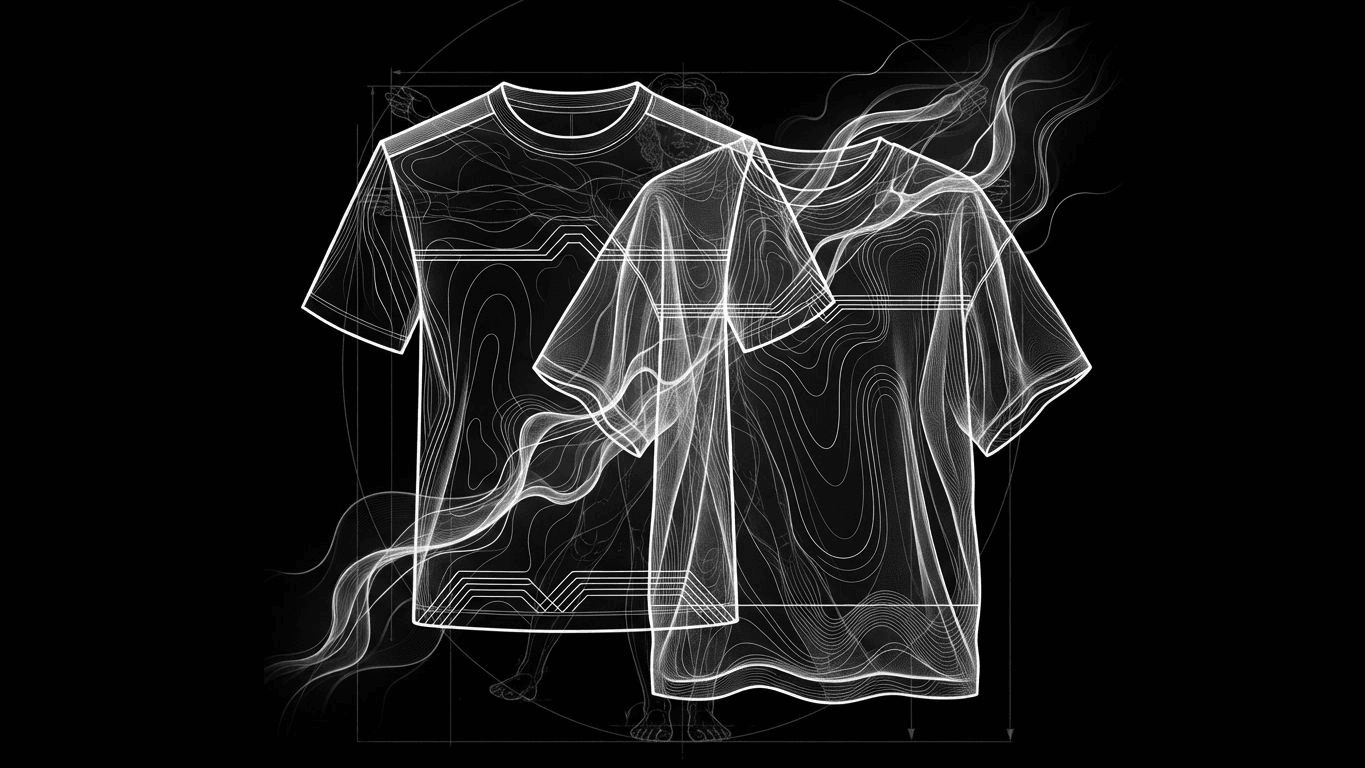
Oversized vs regular fit T-shirts for Indian men — which looks better proportionally for different body types in 2026
Oversized vs Regular Fit T-Shirts for Indian Men: Which Looks Better Proportionally for Different Body Types in 2026
The answer isn't oversized or regular. It's which one stops your torso from looking like a rectangle.
Indian men's bodies don't map cleanly onto Western sizing templates, and the oversized vs regular fit debate plays out differently here than it does in Seoul or New York. Shoulder width relative to hip width, torso length, and the specific way fabric drapes on a leaner frame with narrower shoulders all shift the calculus. This guide breaks down what actually works by body type, not by trend.
Key Takeaways
- Regular fit wins for slim and athletic builds because it traces the shoulder-to-hip taper that creates visual width at the top
- Oversized works for plus-size and broader builds when paired with slim-fit bottoms that anchor the silhouette
- Indian sizing runs smaller than Western charts: a 42-inch chest sits in Large domestically, not XL
- Brand sizing inconsistency is severe in India. One brand's M fits like another's S
- The best wardrobe holds both. They solve different proportional problems
Oversized vs Regular Fit T-Shirts for Indian Men: The Proportional Logic Behind Each Style
Fit is geometry. Every T-shirt decision you make is either adding or subtracting visual mass from specific parts of your body. Regular fit follows the body's contours with 1-3 inches of ease at the chest. Oversized adds 4+ inches of ease and drops the hem below the hip, sometimes to mid-thigh.
According to Alibaba's apparel fit guide, oversized fit requires approximately 15-20% more fabric than regular fit due to wider body panels, longer length, and larger sleeves. That extra fabric has to go somewhere visually. On a body with strong shoulders and a defined waist, it pools attractively. On a narrower frame, it can collapse the silhouette entirely.
The proportional challenge specific to Indian men: average shoulder width in the Indian male population tends to be narrower relative to hip width compared to Northern European body types. This means oversized shirts that look structured on a broader Western frame can look shapeless on a leaner Indian frame unless you're actively anchoring the look with what's below the waist.
How Does Body Type Change the Fit Decision?
Body type is the single biggest variable. Here's what actually works for each build.
Slim build (chest under 36 inches): Regular fit is your best tool. It creates the illusion of breadth at the shoulder by sitting at the shoulder seam rather than drooping off it. An oversized shirt on a slim frame pushes the shoulder seam toward the arm, making shoulders look narrower, not wider. Veirdo's styling guide confirms that regular fit better accentuates a slim physique, though oversized can work for a relaxed look when that's the intentional aesthetic.
Athletic build (defined chest and shoulders, 38-42 inches): Either works, but for different outcomes. Regular fit shows the work. Oversized, worn with tapered joggers or straight-cut denim, creates a streetwear silhouette that reads as intentional rather than accidental. The shoulder seam must still land at or very near the actual shoulder point, even in an oversized shirt.
Plus-size build: Underrated Club's styling analysis makes the point clearly: oversized T-shirts can look effortlessly cool on plus-size guys when paired with the right bottoms to balance proportions. The failure mode is wearing oversized on top AND wide-fit trousers below. That creates a column of fabric with no waist definition. Slim-fit or straight-leg trousers below an oversized tee create the contrast that makes the look work.
Short torso or under 5'7": This is where oversized demands the most caution. A hem that hits at mid-thigh on a 5'10" frame hits at knee level on a 5'5" frame. That proportion kills the look. If you're going oversized at a shorter height, crop the length or tuck the front. A half-tuck at the front with the back hanging free is the practical fix most styling guides skip.
Does Indian Sizing Make This More Complicated?
Yes, significantly. Urbano Fashion's sizing guide notes that in Western charts, 42 inches is closer to L or XL, but in India, where body proportions differ, the same measurement sits comfortably in the Large category. This means if you're buying an oversized shirt from an Indian brand, sizing up one size from your regular fit size often takes you from "intentionally oversized" to "wearing a tent."
The inconsistency runs deeper than that. According to a menswear sizing breakdown, most Indian brands don't follow a standard sizing system. A "M" in one brand can feel like an "L" or even an "S" in another. This is not a minor inconvenience when you're buying oversized. If you're ordering online, check the chest measurement in centimetres, not the size label. A shirt labelled XL that measures 104cm at the chest will fit very differently from an XL measuring 118cm.
Which Style Is Winning in India Right Now?
Oversized has moved from streetwear niche to mainstream. Factori's trend report confirms that what started as a streetwear trend has now become mainstream fashion in India in 2026. But mainstream adoption doesn't mean it works for everyone wearing it. The trend has outpaced the styling knowledge needed to wear it proportionally.
The specific failure pattern showing up in 2026: men buying oversized shirts in their regular size because they want the look, not the fit. An oversized shirt in your regular size is just a baggy shirt. The oversized silhouette requires deliberately sizing up 1-2 sizes AND choosing the right bottom to create proportion. As Bind Boys' fit comparison notes, the choice between oversized and regular ultimately comes down to comfort, looks, and the occasion you're dressing for.
How to Build a Wardrobe That Uses Both Fits
Teysafashion's fit guide makes the practical case: the best wardrobe includes both styles for different occasions. That's not a hedge. It's the right answer.
Regular fit is your workhorse. It works under blazers, with formal trousers, in professional casual settings, and anywhere you need to look put-together without effort. Oversized is your weekend and streetwear register. It signals intentional ease rather than dressed-down default.
For a Derby Jeans Community wardrobe built around denim, the pairing logic is simple: regular fit tees with straight or slim-cut jeans give you a clean, proportional silhouette that works across body types. Oversized tees with tapered or slim-leg denim create the contrast ratio that makes both pieces look intentional. What doesn't work is oversized on top with wide-leg or baggy denim below. That combination reads as shapeless regardless of the body wearing it.
Frequently Asked Questions
Does oversized fit work for short Indian men?
Oversized can work for shorter frames, but hem length is the critical variable. A shirt that hits at mid-thigh on a taller man can reach near the knee on someone under 5'6", which cuts the leg line and shortens the visual height further. If you're under 5'7" and want the oversized look, choose shirts with a hem that hits at the hip bone or just below, or use a front tuck to control the length.
What's the difference between oversized and just buying a bigger size?
An oversized shirt is cut with intentional proportions: longer body, wider sleeves, and a drop shoulder seam that sits at the edge of the shoulder or just below. Buying your regular size in a larger number gives you a shirt that's wider at the chest but may still have a regular sleeve length and hem. The result looks baggy, not oversized. Always check the shoulder seam placement. If it's falling off the shoulder, it's too big, not oversized.
Which fit works better for a slim Indian man?
Regular fit. It keeps the shoulder seam at the correct position, which is the single biggest factor in making shoulders look broader. Oversized on a slim frame pushes the shoulder seam down the arm, narrowing the visual shoulder width. If you want a relaxed look without losing shoulder definition, try a "relaxed regular" fit, which adds ease at the body without dropping the shoulder seam.
How should I size an oversized T-shirt from an Indian brand?
Check the chest measurement in centimetres, not the size label. Indian brands don't follow a unified sizing standard, so a size XL varies significantly between brands. For a true oversized fit, look for a chest measurement that's 10-15cm wider than your actual chest circumference. Anything more than that risks looking shapeless rather than intentionally oversized.
Can plus-size Indian men wear oversized T-shirts?
Yes, with one condition: the bottom half needs to be slim or straight-cut to create proportion. Oversized on top with slim or straight denim creates a deliberate contrast that works well. Oversized on top with wide-leg or baggy trousers removes all visual structure from the silhouette. Derby Jeans Community's slim and straight-cut denim styles pair well with oversized tees for exactly this reason.
metaTitle: "Oversized vs Regular Fit T-Shirts for Indian Men 2026" metaDescription: "Oversized or regular fit T-shirt for your body type? A proportional breakdown for Indian men in 2026, by build, height, and sizing." title: "Oversized vs Regular Fit T-Shirts for Indian Men: Which Looks Better Proportionally for Different Body Types in 2026" targetKeyword: "Oversized vs regular fit T-shirts for Indian men — which looks better proportionally for different body types in 2026" contentType: "article" wordCount: 1000