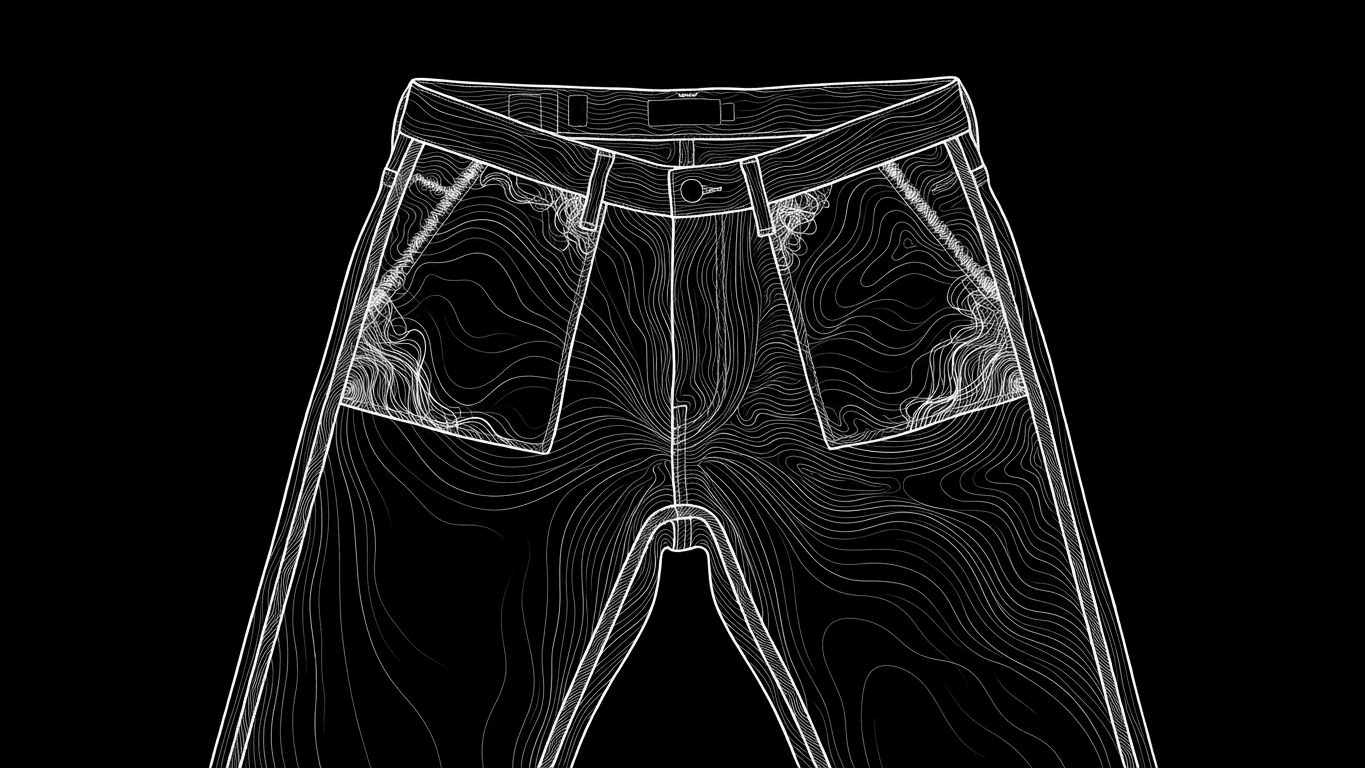
Premium vs High Street Trousers: What's the Real Difference
What Actually Separates Premium Men's Casual Trousers from High Street Versions at the Same Price Point
You've stood in a changing room holding two pairs of trousers. Same price tag. One from a fast fashion rail, one from a brand with a reputation behind it. They look nearly identical on the hanger. Then you put them on, and something is off with one of them. You can't immediately name it. But you feel it.
That feeling has a cause. Several, actually. And once you understand them, you stop buying the wrong pair.
Key Takeaways
- Fabric construction (yarn count, weight, finishing) determines how a trouser holds its shape after 20 wears, not just 2
- Stitching density and seam allowance are the first things to check at the same price point
- Cut architecture (rise, thigh, taper) separates trousers that fit a body from trousers that approximate one
- Hardware and lining decisions reveal where a manufacturer cut costs invisibly
- Premium casual trousers cost more to make because they use more material and more time, full stop
What Does "Premium" Actually Mean at the Same Price Point?
Premium, at the same price point, refers to where the manufacturing budget was allocated, not how much was spent. Two trousers priced at the same amount can have wildly different cost structures. One brand spends on marketing and packaging. Another spends on fabric weight, seam allowance, and pattern grading.
GQ Magazine notes that sourcing from the high street doesn't have to mean sacrificing a premium feel, but the key word is "sourcing" with intention. The difference isn't always brand name. It's what the brand chose to spend its production budget on.
The fastest way to identify this: turn the trouser inside out before you buy it. Check the seam allowance (the fabric between the stitch line and the raw edge). A high street pair often gives you 6-8mm. A premium construction gives you 12-15mm. That extra material is what allows a tailor to let out or take in the trouser later. It's also a signal that the pattern was cut from a wider cloth, meaning less aggressive cost-cutting at the fabric stage.
Does Fabric Weight and Yarn Quality Actually Matter?
Fabric quality is the single most consequential variable, and it's also the one most aggressively obscured by marketing. Both pairs might say "100% cotton." That label tells you almost nothing useful.
As this Instagram analysis of fabric construction makes clear, a 100% cotton garment from a budget retailer and a 100% cotton garment from a premium mill are categorically different products. The difference lies in yarn twist, staple length, and finishing processes. Long-staple cotton (like Egyptian or Pima) produces a smoother, more durable yarn. Short-staple cotton pills faster, loses structure after washing, and has a slightly rough hand feel even when new.
Weight matters too. Casual trousers intended for year-round wear typically perform best in a fabric weighing between 220-280 gsm (grams per square metre). High street versions often use 160-180 gsm fabric because it's cheaper to produce and photographs well under studio lighting. It just doesn't survive a year of regular wear.
The Gentleman's Gazette identifies fabric quality metrics, including thread count and weight specifications, as key differentiators that consumer-facing product descriptions routinely omit. If a brand isn't telling you the fabric weight, ask yourself why.
How Does Cut Architecture Differ Between Premium and High Street?
Cut is where most men underestimate the gap. High street trousers are graded from a single base pattern, scaled up or down by size. Premium trousers are often re-drafted at each size, meaning the proportions of the rise, thigh block, and taper are adjusted to reflect how bodies actually change between a 30-inch waist and a 36-inch waist.
This matters practically. A high street trouser in a size 34 that fits your waist will often pull across the thighs or sag in the seat, because the pattern assumed your thighs and seat scaled proportionally with your waist. They don't. Premium pattern grading accounts for this.
According to Gentleman's Gazette's guidance on trouser rise, rise, thigh, and taper are aesthetic and comfort variables that interact with each other. A mid-rise trouser with a generous thigh block and a clean taper below the knee is a specific engineering decision. Getting it right requires more pattern iterations, which costs more time, which costs more money.
For casual wear specifically, Wrogn's breakdown of men's trouser styles confirms that fit and silhouette, not just fabric, drive whether a trouser reads as considered or careless. The same fabric in a poorly graded cut will always look cheaper than a lighter fabric in a well-constructed one.
Where Do High Street Trousers Cut Invisible Corners?
The corners cut in high street production are specifically chosen because they're invisible at the point of sale. You won't notice them in the changing room. You'll notice them at the six-month mark.
Interlining and waistband construction. A premium waistband uses a fused or sewn interlining that maintains structure through washing. High street waistbands often use a lighter interlining that separates from the outer fabric after repeated machine washing, creating that bubbled, warped waistband you've seen on older pairs.
Bartacks at stress points. These are the small reinforcing stitches at pocket corners, belt loops, and fly openings. Premium trousers place bartacks at every stress point. High street versions frequently skip them at secondary stress points, which is why pocket corners fray first.
Lining choices. Lined casual trousers (particularly in wool or heavier fabrics) use lining to reduce friction and help the trouser drape correctly. High street versions that include lining often use a cheaper acetate that generates static and degrades quickly. Premium versions use viscose or bemberg, which breathes and moves with the fabric.
Are Premium Trousers Worth It for Everyday Casual Wear?
The honest answer: it depends on how many times you'll wear them. A premium casual trouser worn 100 times over three years costs less per wear than a high street version worn 30 times before it loses shape. The maths only works if you actually wear them.
CNN Underscored's men's style guide makes the point that building a wardrobe around fewer, better pieces is the framework that most style editors recommend for men updating their casual wardrobe. This is the same logic that drives capsule wardrobe thinking. The decision to own fewer, better garments also reduces the daily friction of getting dressed. Mark Zuckerberg's well-documented habit of wearing the same grey T-shirt daily is an extreme version of the same principle: reduce decision fatigue by owning pieces you trust.
For the man who wants casual trousers that hold their shape, maintain their colour, and still look intentional after a year of regular wear, the construction differences above are the ones that matter. The brand name is secondary. The fabric weight, seam allowance, and pattern grading are primary.
This is the philosophy behind Derby Jeans Community's approach to casual trousers: quality and purpose built in from the construction stage, not added as a marketing claim. When a trouser is made for those who make their own luck, it has to last long enough to matter.
Frequently Asked Questions
What is the easiest way to tell premium trousers from high street at the same price?
Turn the trouser inside out and check the seam allowance. Premium construction gives you 12-15mm between the stitch line and the raw edge. High street versions typically offer 6-8mm. Also check the waistband for interlining separation and look for bartack stitching at pocket corners.
Does fabric weight really affect how long trousers last?
Yes, significantly. Casual trousers in the 220-280 gsm range hold their structure through repeated washing and wear. Fabrics below 180 gsm, common in high street production, lose shape faster and pill more quickly, particularly at friction points like the inner thigh.
Why do two pairs of 100% cotton trousers feel so different?
The cotton label tells you the fibre, not the quality of it. Long-staple cotton (Egyptian, Pima) produces a smoother, more durable yarn than short-staple cotton. The spinning process, yarn twist, and finishing treatments all affect hand feel and durability, none of which appear on a care label.
How does pattern grading affect fit in casual trousers?
High street trousers scale a single base pattern proportionally across sizes. Premium trousers re-draft proportions at each size, adjusting rise, thigh block, and taper to reflect how bodies actually change between sizes. This is why a premium trouser in your size fits differently (better) than a high street version in the same stated size.
What should I look for in a casual trouser from Derby Jeans Community?
Look at the construction details: fabric weight, seam allowance, and how the waistband holds after washing. Derby Jeans Community builds casual trousers with quality and purpose as the foundation, not as a label. The fit architecture is designed for real wear, not just the hanger.
Is a higher price always a signal of better construction?
No. Price reflects marketing spend, distribution costs, and brand positioning as much as construction quality. Two trousers at the same price can have entirely different cost structures. The construction checks above (seam allowance, interlining, bartacks, fabric weight) are more reliable indicators than price alone.
The next time you're choosing between two pairs at the same price, you now know exactly where to look. Flip them inside out. Check the seams. Feel the weight. The trouser that passes those tests is the one worth buying.