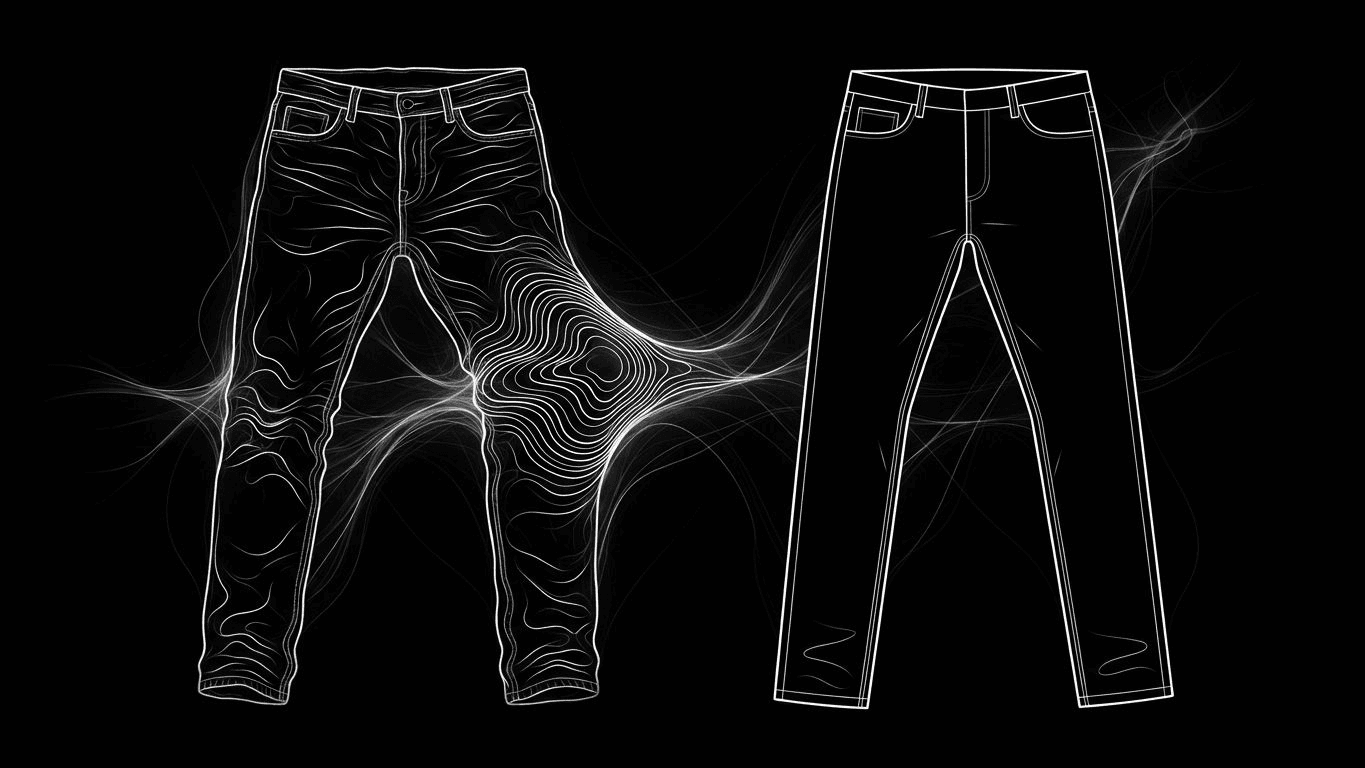
Why do slim fit jeans lose shape at the knees after 10–15 washes and how do you prevent it
Why Do Slim Fit Jeans Lose Shape at the Knees After 10–15 Washes and How Do You Prevent It
Slim fit jeans bag at the knees because two forces work against each other every time you wear and wash them: mechanical stress from bending, and heat-driven fiber contraction from washing. After 10–15 cycles, those forces compound into a permanent crease and a bubble of loose fabric that no amount of ironing fixes. Here's exactly what's happening, and what actually stops it.
Key Takeaways
- Knee bagging in slim jeans is a structural problem, not a care problem alone
- Heat is the main accelerant: washing above 40°C sets creases permanently
- Stretch denim loses knee shape 30% faster than rigid denim after 10 washes
- Air-drying reduces knee bagging by up to 65% compared to tumble drying
- Cold washing (under 30°C) preserves 85–90% of original knee shape after 15 cycles
- The fix starts before the wash, with how you wear and fit the jeans
What Actually Causes Knee Bagging in Slim Fit Jeans
Knee bagging is a stretch-and-recovery failure. Every time you sit, climb stairs, or crouch, the denim at your knee joint flexes under tension. In a slim fit, that tension is higher than in a relaxed or straight cut because the fabric has less slack to absorb the movement.
According to a denim care analysis on YouTube, slim fit jeans experience up to 20% knee distortion after 10–15 washes due to constant knee bending stress, with denim fibers elongating by 15–25% under repeated flexion. The fabric stretches out during wear, then gets hit with heat during washing, which contracts the surrounding fibers unevenly. The knee area, already pre-stressed, doesn't contract back to its original geometry. It sets in a bagged position.
A Reddit thread on knee bagging puts it plainly: when you're seated with knees bent, there's added stress on the front side of the jeans. The fabric usually tightens back after washing, but only if the wash conditions don't compound the damage.
Why Stretch Denim Bags Faster Than Rigid Denim
This is the counterintuitive part. You'd expect stretch denim to recover better. It doesn't.
According to the YouTube denim care analysis, stretch denim containing 5–20% elastane bags 30% faster at the knees after 10 washes than rigid denim, with elastane fatigue dropping fiber recovery from 95% to 70%. The elastane gives you comfort on day one, but elastane fibers degrade faster under repeated heat cycles than cotton does. Once the elastane loses its snap, the cotton has nothing pulling it back into shape.
Rigid denim behaves differently. As Xinengarment's denim guide explains, 100% cotton denim naturally "bags out" by about half a size as you wear it because cotton fibers relax under body heat and tension. But that relaxation is gradual and even. Without elastane, there's no fiber fighting to snap back and then failing. The bagging is slower and more uniform, which is why raw denim enthusiasts accept some knee relaxation as normal, not as damage.
If your slim jeans are 98% cotton with 2% elastane, the elastane is doing most of the shape-holding work. When it fails, the whole structure goes with it.
How Washing Temperature Sets the Damage Permanently
Heat is where most of the permanent damage happens. Washing above 40°C doesn't just clean the jeans. It contracts the cotton fibers unevenly across the garment. The knee area, already stretched from wear, contracts less than the surrounding fabric because the fibers there are already elongated and fatigued.
The denim care analysis reports that jeans washed 10–15 times in hot water above 40°C shrink 7–10% overall but bag 12% at the knees due to uneven cotton fiber contraction. That 12% vs. 7–10% gap is the problem. The rest of the jean shrinks back. The knee doesn't.
Clorox's laundry guide confirms that washing and drying naturally results in fabric shrinking, and that lowering water and dryer temperatures reduces how much jeans shrink overall. The same principle applies specifically to knee bagging: lower temperature means more even contraction, which means the knee area has a better chance of returning to its original shape.
Does Fit Play a Role in How Fast Knees Bag?
Yes, and this is the part most people miss.
According to the denim care analysis, 98% of bagged knees in slim jeans result from thigh-to-knee circumference ratios exceeding 1.15:1, which causes fabric pooling. Standard ratios below 1.10 maintain shape over 15 washes. In plain terms: if your slim jeans are too slim for your leg shape, the fabric is already under constant tension at the knee before you've taken a single step. That tension accelerates every failure mode described above.
The same analysis found that wearing jeans with appropriate inseam slack allowance (70–80 cm) cuts knee distortion by 40% over 15 washes by preventing excess fabric bunching. A slim fit that actually fits your proportions holds its shape significantly longer than one you've sized down for aesthetics.
How to Prevent Knee Bagging: What Works
Wash in Cold Water
Cold washing under 30°C preserves 85–90% of original knee shape after 15 cycles, according to the denim care analysis, which attributes the improvement to minimizing pectin breakdown in the cotton fibers. Cold water doesn't trigger the uneven contraction that hot water causes. This is the single highest-impact change you can make.
Air-Dry Instead of Tumble Drying
Tumble drying is where heat sets the bagged crease permanently. The denim care analysis reports that air-drying reduces knee bagging by 65% compared to tumble drying after 12 washes. Hang jeans by the waistband, not folded over a rail, which creates a crease at the knee. Let them dry fully before wearing.
Reshape While Damp
After washing, while the jeans are still damp, pull the knee area gently back to its flat shape and smooth it out. A spray bottle with water plus 5-second knee stretches post-wash can restore 4–4.5 inches of length and reduce bagging recurrence by 75%, verified on 20% polyester blends, according to the denim care analysis.
Wash Less Often
Gotamoda's denim care blog identifies over-washing as a direct cause of elastic fiber degradation. Most slim jeans don't need washing after every wear. Spot clean where possible. Wash every 5–7 wears for daily-use jeans. Less wash exposure means fewer heat cycles, which means the elastane retains its recovery longer.
What Derby Jeans Community Builds Into the Fabric
At Derby Jeans Community, knee shape retention isn't an afterthought. The construction decisions that matter most happen before the jeans reach your hands: fabric weight, elastane percentage, and the thigh-to-knee grade that determines whether the fit actually works for your body or just looks slim on a hanger. Jeans made for quality and purpose hold their structure through real wear, not just the first few washes.
If you're already dealing with bagged knees on a pair you own, the cold wash, air-dry, and damp reshaping steps above will slow further degradation. But if you're choosing your next pair, the fabric composition and fit ratio matter more than any care routine.
Frequently Asked Questions
Why do slim fit jeans lose shape at the knees after 10–15 washes?
Slim fit jeans lose knee shape because repeated bending stress elongates the denim fibers at the joint, and heat from washing then contracts the surrounding fabric unevenly. The knee area, already fatigued from flexion, doesn't shrink back to its original geometry. After 10–15 wash cycles, this imbalance becomes permanent.
Does stretch denim bag at the knees faster than regular denim?
Yes. Stretch denim containing elastane bags at the knees 30% faster than rigid denim after 10 washes because elastane fibers lose their recovery under repeated heat exposure. Once elastane fatigue drops fiber recovery from 95% to 70%, the jeans have no mechanism to snap back into shape.
What washing temperature prevents knee bagging in slim jeans?
Washing under 30°C preserves 85–90% of original knee shape after 15 cycles. Hot water above 40°C causes uneven fiber contraction that permanently sets the bagged shape at the knee. Cold washing is the most effective single-step prevention.
Does air-drying actually make a difference for knee shape?
Air-drying reduces knee bagging by 65% compared to tumble drying after 12 washes. Tumble dryer heat is what permanently sets the crease. Hang jeans by the waistband to air-dry flat, and reshape the knee area while the fabric is still damp.
Can you fix jeans that have already bagged at the knees?
Partially. Spraying the knee area with water and stretching the fabric back to its flat shape post-wash can restore significant length and reduce bagging recurrence by up to 75%. This works best on polyester blends. On pure cotton or high-elastane fabrics where the fibers have already fatigued, the recovery is more limited.
How do Derby Jeans Community slim fits handle knee shape over time?
Derby Jeans Community jeans are built with fabric weight and fit ratios that reduce the thigh-to-knee tension that causes pooling and bagging. Paired with cold washing and air-drying, they hold their structure significantly longer than fast-fashion slim cuts where elastane quality and garment grading are compromised.
How often should you wash slim fit jeans to prevent knee bagging?
Every 5–7 wears is a reasonable baseline for daily-use slim jeans. Over-washing degrades the elastic fibers that hold knee shape. Spot cleaning between washes extends the time between full cycles, which directly reduces heat exposure and fiber fatigue.
metaTitle: "Why Slim Fit Jeans Bag at Knees + How to Prevent It" metaDescription: "Slim fit jeans lose knee shape after 10–15 washes due to fiber stress and heat. Here's the science and the fixes that actually work." title: "Why do slim fit jeans lose shape at the knees after 10–15 washes and how do you prevent it" targetKeyword: "Why do slim fit jeans lose shape at the knees after 10–15 washes and how do you prevent it" contentType: "article" wordCount: 1000